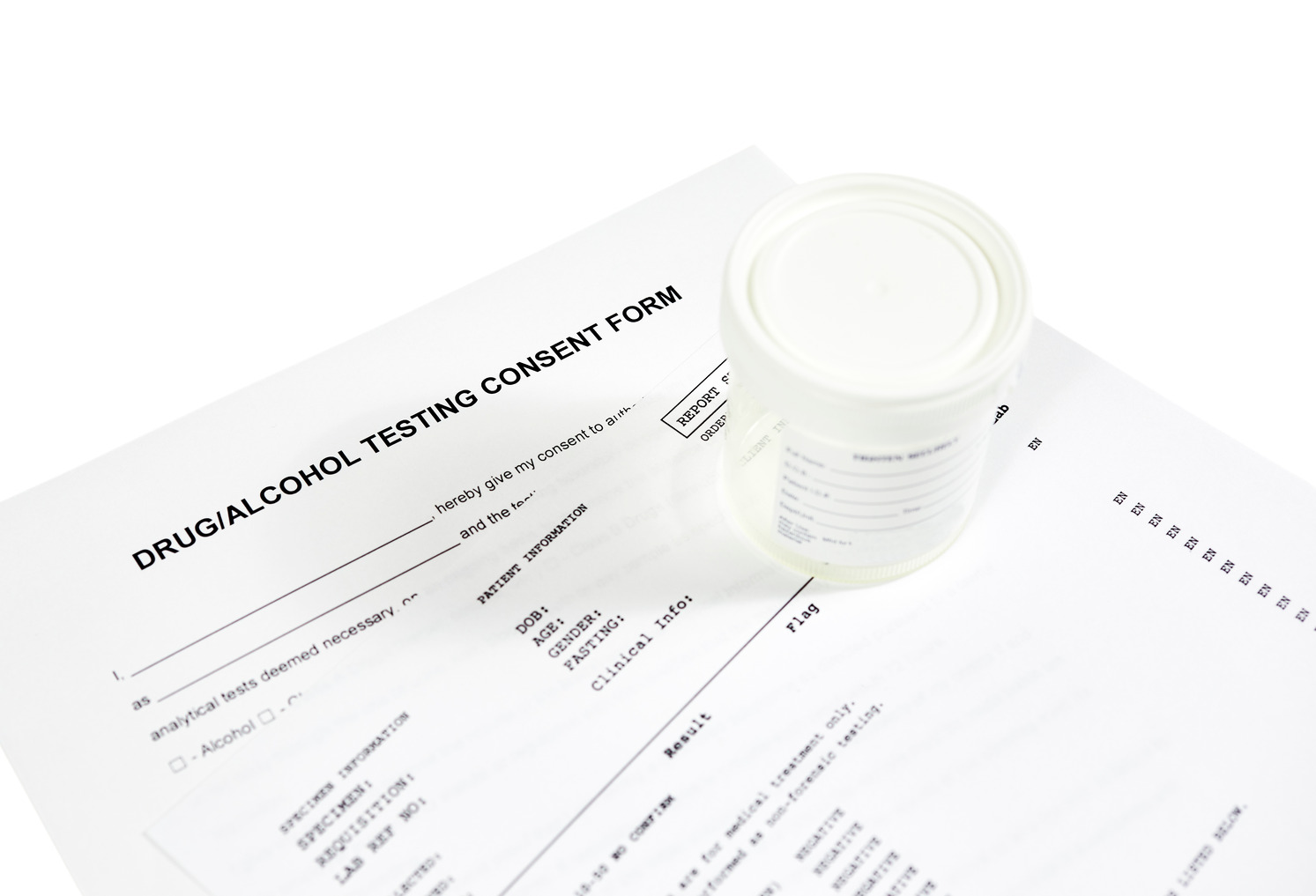
A clear and consistent drug testing policy helps promote workplace safety, reduce liability, and support confident hiring decisions. The 5-panel drug test remains one of the most commonly used screening options across industries due to its focus on widely abused substances that can impair performance and increase risk.
What a 5-Panel Drug Test Screens For
The standard 5-panel test detects five categories of drugs:
- Amphetamines
- Cocaine
- Marijuana (THC)
- Opiates such as heroin, morphine, and codeine
- Phencyclidine (PCP)
These substances are included because of their prevalence and their potential to affect judgment, coordination, and reaction time. Employers frequently use 5-panel testing for pre-employment, random, post-accident, and reasonable suspicion testing. In federally regulated positions, the 5-panel test is required and must follow established collection and laboratory guidelines.
Fentanyl and the Limits of Standard Opiate Testing
A growing concern for employers is fentanyl. While the 5-panel test includes opiates, fentanyl is a synthetic opioid and is not typically detected under a standard opiate screen. Traditional testing targets naturally occurring opiates such as morphine and codeine. Unless fentanyl is specifically added to a testing panel, it may not be identified.
This distinction is important. The term “opiates” does not automatically include all opioids in a laboratory setting. As fentanyl continues to impact communities nationwide, employers should understand exactly what their drug testing panel covers and where potential gaps may exist.
Understanding Extended Opiates Panels
In addition to fentanyl, many commonly prescribed semi-synthetic opioids are not included in a basic 5-panel test. Substances such as oxycodone, hydrocodone, oxymorphone, and hydromorphone are typically part of an “extended opiates” panel rather than a standard screen.
Evaluating Non-DOT Testing Options
For non-DOT programs, employers may have the flexibility to expand or customize their testing panels. Adding extended opiates and/or fentanyl may be appropriate based on:
- The presence of safety-sensitive roles
- Industry-specific risk exposure
- Local drug trends
- Company safety objectives
Alliance 2020 provides compliant DOT and customizable non-DOT drug testing solutions tailored to your organization’s needs. Contact us to review your current panel and determine whether expanded testing options align with your workplace safety goals.